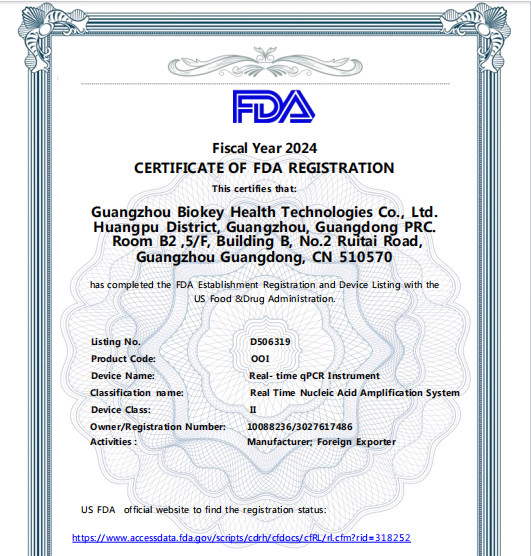
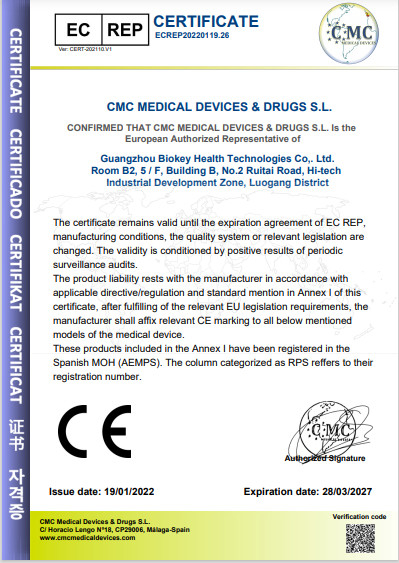
Bidang diagnostik molekuler sedang mengalami perubahan transformatif dengan diperkenalkannya instrumen reaksi berantai polimerase kuantitatif portabel (qPCR) berkinerja tinggi. Perangkat ringkas ini mendefinisikan ulang batasan pengujian laboratorium dengan menghadirkan kemampuan analisis molekuler tingkat lanjut ke beragam pengaturan di luar laboratorium klinis tradisional.
Inovasi Teknis di Balik Sistem qPCR Portabel
Pengembangan instrumen qPCR portabel yang andal merupakan pencapaian teknik yang signifikan, menggabungkan beberapa teknologi mutakhir:
Arsitektur Mikrofluida dan Kontrol Termal
Teknologi katup mikro yang canggih memungkinkan kontrol cairan yang presisi dalam ruang reaksi yang diperkecil, sementara sistem siklus termal yang dioptimalkan menjaga keakuratan suhu tingkat laboratorium. Sistem ini mencapai tingkat pemanasan dan pendinginan yang cepat antara 35°C-99°C, yang penting untuk amplifikasi asam nukleat yang efisien.
Desain Ringkas Tanpa Kompromi Performa
Tersedia dalam berbagai konfigurasi mulai dari model ultra-portabel (kira-kira 5kg) hingga model berkapasitas tinggi (kira-kira 9kg), instrumen ini mempertahankan kemampuan analitis penuh. Jejaknya yang ringkas (173×394×322mm) memungkinkan penerapan di lingkungan dengan ruang terbatas sekaligus mendukung deteksi multi-saluran untuk analisis beberapa target secara bersamaan.
Operasi yang Berpusat pada Pengguna
Antarmuka yang disederhanakan dan sistem reagen yang telah dioptimalkan sebelumnya secara signifikan mengurangi kompleksitas operasional. Konfigurasi tertentu mendukung qPCR transkripsi balik terintegrasi (RT-qPCR), memungkinkan analisis RNA langsung dalam pengaturan lapangan. Integrasi ini meminimalkan langkah-langkah penanganan dan mengurangi risiko kontaminasi selama pemrosesan sampel.
Memperluas Aplikasi Lintas Sektor
Portabilitas sistem ini membuka kemungkinan baru untuk pengujian molekuler di berbagai domain:
Kesehatan Masyarakat dan Tanggap Darurat
Kemampuan penyebaran yang cepat terbukti sangat berharga selama wabah penyakit menular, memungkinkan skrining patogen di lokasi di pusat transportasi, pusat komunitas, dan zona darurat. Teknologi ini telah menunjukkan kegunaan khusus dalam deteksi patogen pernapasan selama krisis kesehatan global baru-baru ini.
Layanan Kesehatan Terdesentralisasi
Dengan membuat diagnostik molekuler canggih dapat diakses oleh fasilitas layanan kesehatan primer dan klinik terpencil, sistem ini membantu menjembatani kesenjangan layanan kesehatan. Penerapannya mencakup skrining infeksi menular seksual, pemantauan resistensi antimikroba, dan manajemen penyakit kronis di rangkaian terbatas sumber daya.
Pemantauan Lingkungan dan Pertanian
Peneliti lapangan memanfaatkan qPCR portabel untuk analisis komunitas mikroba secara real-time di sumber air, sampel tanah, dan produk pertanian. Teknologi ini juga mendukung pengawasan penyakit ternak dan inspeksi keamanan pangan di lokasi produksi.
Jaminan Kualitas dan Integrasi Teknologi
Instrumen ini menggabungkan langkah-langkah kontrol kualitas yang kuat di seluruh proses produksi, memanfaatkan komponen presisi dan protokol pengujian yang ketat. Hal ini memastikan kinerja yang konsisten dibandingkan dengan sistem laboratorium konvensional.
Ketika diintegrasikan dengan teknologi pelengkap seperti perangkat ekstraksi asam nukleat kompak, sistem portabel ini dapat memberikan alur kerja analisis molekuler yang lengkap di luar lingkungan laboratorium tradisional.
Implikasi Pasar dan Arah Masa Depan
Munculnya sistem qPCR portabel yang andal bertepatan dengan meningkatnya permintaan akan pengujian molekuler terdesentralisasi di sektor kesehatan, penelitian, dan industri. Kemajuan teknologi di bidang mikrofluida, teknik termal, dan kimia reagen terus meningkatkan kemampuan platform seluler ini.
Perkembangan di masa depan mungkin fokus pada miniaturisasi lebih lanjut, perluasan kapasitas multiplexing, dan peningkatan fitur konektivitas untuk mendukung aplikasi telemedis. Konvergensi diagnostik molekuler portabel dengan kecerdasan buatan dan komputasi awan yang sedang berlangsung menjanjikan terciptanya solusi pengujian di tempat perawatan yang semakin canggih.


 Pesan Anda harus antara 20-3.000 karakter!
 Indonesian